Early treatment means you feel better sooner. It also reduces the risk of any long-term damage to the body and helps stop the spread of TB.
The symptoms of TB can appear slowly and you may not have all of them. Always see a doctor if you are worried. And remember, TB is curable and treatment is free for everyone in the UK.
Tuberculosis (TB) is an infectious illness caused by the airborne bacteria Mycobacterium tuberculosis. TB can cause serious health problems – particularly if it is not caught early. But the illness is curable, and testing and treatment are free and confidential in the UK, regardless of immigration status.
TB is rare in the UK and most people don’t need to worry about it, particularly if their health is generally good. Your greatest risk of catching TB is through spending a lot of time with people who have TB bacteria in their lungs or throat which they pass on by coughing or sneezing.
People who have TB or are concerned about TB often have lots of questions. If you have a general question about TB, look to see if it’s answered here. If not you can ask us directly using our questions form. Don’t worry – we would never publish your personal details.
Please be aware our advisors are not medically trained and cannot give medical advice, override the opinion of your doctor or comment on individual cases. But we are happy to provide general information about TB and TB-related issues in the UK.
- Rights are entitlements, put in place to protect and empower people. In the UK, many of our rights are protected by law.
- Rights are balanced with the responsibility to respect the rights of others, and to live within the boundaries of the law.
It may be a huge shock to find out you or a loved one has TB. You might not know anyone else who has the illness or what to expect.
This section of the website talks about latent TB. If you have latent TB, you have TB bacteria ‘asleep’ in your body that can ‘wake up’ and make you ill with active TB.
Many people are offered testing and treatment for latent TB, as this is a good way to help prevent getting active TB in the future. This section explains the differences between latent and active TB, why you may be tested for latent TB, what the test involves, and the treatment available for latent TB.
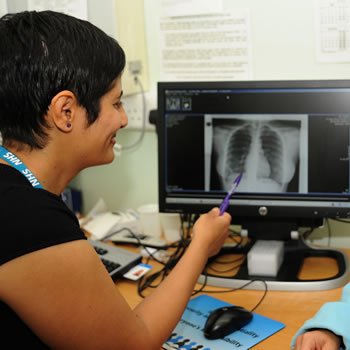 What parts of the body are affected by TB?